
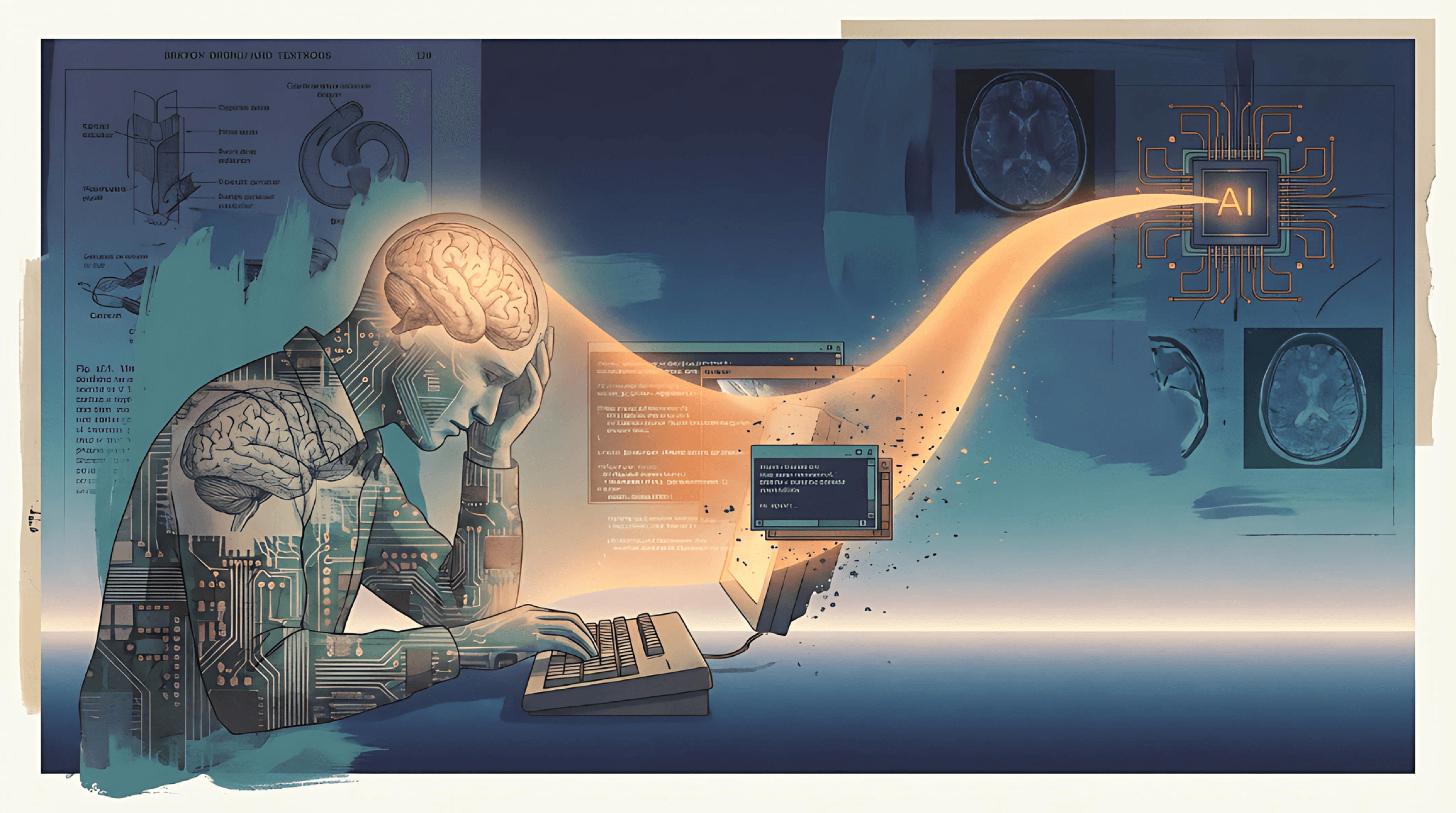
AI will hit middle managers before coders, tech leaders warn at Davos
AI Impact
Breaking News
Read
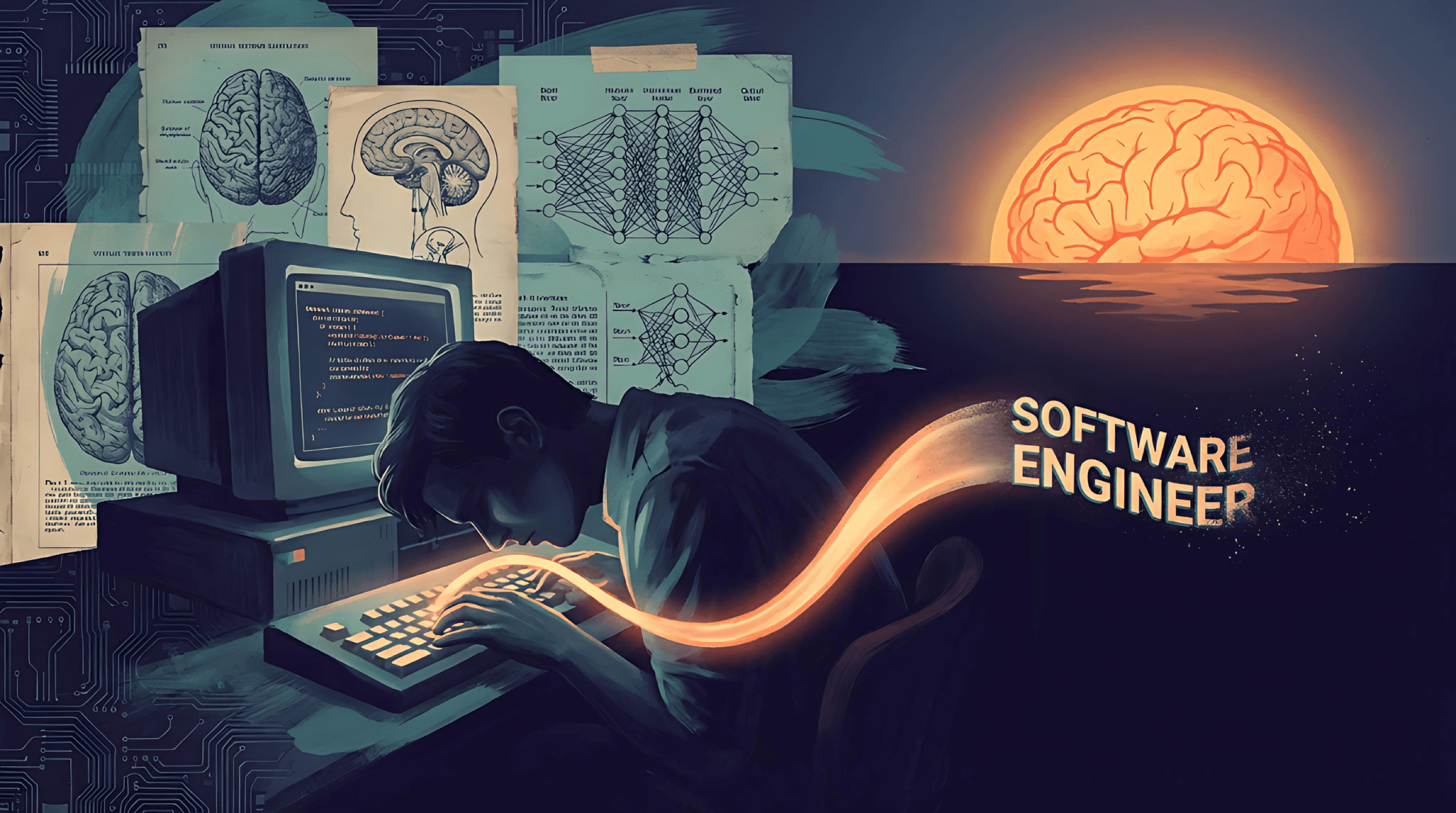
AI could replace most software engineers within a year, Anthropic CEO says
Breaking News AI could replace most software engineers within a year, Anthropic CEO says At the World Economic Forum in Davos, Switzerland, tech executives and business leaders delivered stark warnings about artificial intelligence’s impact on white‑collar work—suggesting disruption could arrive within months, not years. BlackRock CEO Larry Fink opened the annual gathering by cautioning that AI could repeat the inequities that followed globalization. “Early gains are flowing to the owners of models, owners of data and owners of infrastructure,” Fink said. “The open question: What happens to everyone else if AI does to white‑collar workers what globalization did to blue‑collar workers? We need to confront that today directly. It is not about the future. The future is now.” AI CEOs predict rapid automation of software engineering In a joint session, Anthropic CEO Dario Amodei and Google DeepMind CEO Demis Hassabis said AI is already affecting hiring in their companies. Amodei predicted that AI models could handle “most, maybe all” of what software engineers do within six to 12 months. “I have engineers within Anthropic who say, ‘I don’t write any code anymore. I let the model write the code; I edit it. I do the things around it,’” Amodei said during a panel moderated by The Economist’s editor‑in‑chief, Zanny Minton Beddoes. Hassabis echoed the concern: “I think we’re going to see this year the beginnings of maybe it impacting the junior level,” noting slowdowns in hiring for entry‑level roles and internships at DeepMind. Amodei warned the pace could outstrip society’s capacity to adapt. “My worry is, as this exponential keeps compounding—and I don’t think it’s going to take that long, somewhere between a year and five years—it will overwhelm our ability to adapt,” he said.
Broader economic concerns
The warnings at Davos extend months of cautions from prominent AI researchers. Geoffrey Hinton, the Turing Award–winning computer scientist known as the “godfather of AI,” predicted in December that 2026 would bring significant job losses. “We’re going to see AI get even better… having the capabilities to replace many, many jobs,” Hinton told CNN. He has argued that profit incentives drive automation: “Big companies are betting on massive job replacement by AI, because that’s where the big money is,” he told Bloomberg TV in October 2025. A World Economic Forum survey released ahead of the meeting reported that 54% of executives globally expect AI to displace existing jobs, while only 24% believe it will create new ones. Fink urged world leaders to craft “a credible plan for broad participation” in AI’s gains. “Capitalism can evolve to turn more people into owners of growth, instead of spectators watching it happen,” he said. What’s being impacted first?
AI will hit middle managers before coders, tech leaders warn at Davos Across sessions, executives argued that roles centered on coordination rather than creation may be first in line for disruption. Palantir CEO Alex Karp, speaking with Larry Fink, warned that AI “will destroy humanities jobs,” suggesting that generalized knowledge from elite universities is becoming harder to market. “You went to an elite school and you studied philosophy—hopefully you have some other skill,” Karp said. He emphasized that workers with vocational and technical expertise will thrive, while those whose value rests on general knowledge may struggle. Anupam Mittal, founder of People Group and a judge on Shark Tank India, echoed the point in a LinkedIn post: “AI isn’t coming for the coders first. It’s coming for middle management.” The “knowledge premium” that once rewarded managerial seniority—knowing workflows and who to call—“is now zero,” he wrote. Palantir CEO warns AI will “destroy humanities jobs” Doubling down, Karp—who holds a PhD in philosophy—used his background as an example of what not to pursue: “You went to an elite school, and you studied philosophy—hopefully you have some other skill, because that skill set is going to be very hard to market.” The Great Flattening These predictions align with changes already underway. Amazon CEO Andy Jassy has pushed to reduce management layers, saying middle managers “want to put their fingerprint on everything,” and announced plans to raise the ratio of individual contributors to managers by 15%. Google has cut 35% of managers overseeing small teams and eliminated a “managers of managers” layer in its U.S. advertising sales division. Gartner predicts that by 2026, 20% of organizations will use AI to flatten structures, eliminating more than half of current middle‑management positions. Mittal notes several of his portfolio companies generate Rs 300–1,000 crore in annual revenue with teams of roughly 50 employees, supported largely by AI systems. The rise of the Individual Contributor Mittal describes the “Individual Contributor Plus”—people who build, code, sell, or create while using AI to perform the work of entire departments. “If your job is mostly coordination, with no measurable output, you’re overhead,” he warned. At Davos, Hassabis and Amodei said hiring is already shifting. “We’ll see the beginnings of impact at the junior level,” Hassabis said, noting slower recruitment for entry‑level and internships. Amodei added that software roles at Anthropic are down at both junior and mid levels. Not all executives share the grim outlook. BlackRock COO Robert Goldstein has said the firm recruits graduates who studied “things that have nothing to do with finance or technology,” and McKinsey global managing partner Bob Sternfels recently noted the company is “looking more at liberal‑arts majors” as sources of creativity.
Variedy and ONE AI: Solutions—and Human‑First Governance
Take a breath. Humans create something from nothing; imagination and judgment aren’t commodities. Over the past year, Variedy has tested where AI excels and where it fails. Hype and fear, combined with understaffed teams, make the picture look worse than it is. The reality: AI still has gaps—determinism, reliability, and memory among them.ONE AI, Variedy’s new division, has been scoping and testing solutions to: Reduce hallucinations and tighten deterministic control so answers are reproducible and auditable. Move enterprises out of pilot purgatory with governance‑by‑design. Modernize brittle processes still stuck in 2015-era workflows. Bring context and long‑term memory to AI systems using Temporal Knowledge Graphs (TKGs). Why context and memory matter Today’s models are superb pattern finders, but they lack persistent, trustworthy memory. Imagine forgetting every prior conversation with your manager or customer and having to start from zero each time—context collapses. TKGs solve this by: Capturing “as‑of” truth: every answer respects effective dates, versions, and policy state. Tracking provenance: sources, timestamps, and confidence are bundled into evidence packets. Enforcing policy‑as‑code: guardrails run at retrieval and generation time, not just in post‑hoc review.
The enterprise reality Multiple reports indicate that more than 75% of enterprises remain stuck in pilots. Meanwhile, AI is often dropped into outdated processes, forcing employees to double‑check outputs and creating more work, not less. Variedy’s new white paper on Contextual Engineering addresses this—showing how TKGs and evidence‑first responses cut latency, lift accuracy, and reduce hallucinations, giving teams trustworthy outputs they can act on. Human‑First AI Governance Led by Mark Lacey, ONE AI’s Human‑First AI Governance framework commits to: Dignity and agency: AI augments people; it doesn’t displace them without pathways to reskilling. Transparency: clear explanations of data use, model purpose, and appeal/opt‑out channels. Safety and accountability: role‑based access, minimization by default, and full audit trails. Skills uplift: funded learning time and micro‑credentials tied to new AI‑supported tasks. This stance is grounded in Lacey’s AI Manifesto, which argues for keeping natural human conscience supreme—guiding AI to enhance human flourishing, not control it. The audiobook is available for free at [AI Manifesto site/link]. It tackles tough topics often ignored in tech discourse and calls for leaders to build companies for people, not machines. What this means for your teams Faster path from pilot to production via clear governance gates. Higher trust and adoption through explanations, provenance, and training. Better customer outcomes as contextual memory reduces rework and error rates. More meaningful work as automation lifts repetitive tasks and amplifies creative, judgment‑driven roles. Calls to action Download the Full Report on Contextual Engineering [link]. Watch: ONE AI overview video [link]. Listen: AI Manifesto audiobook [link]. Book your free AI strategy call with Variedy [link].